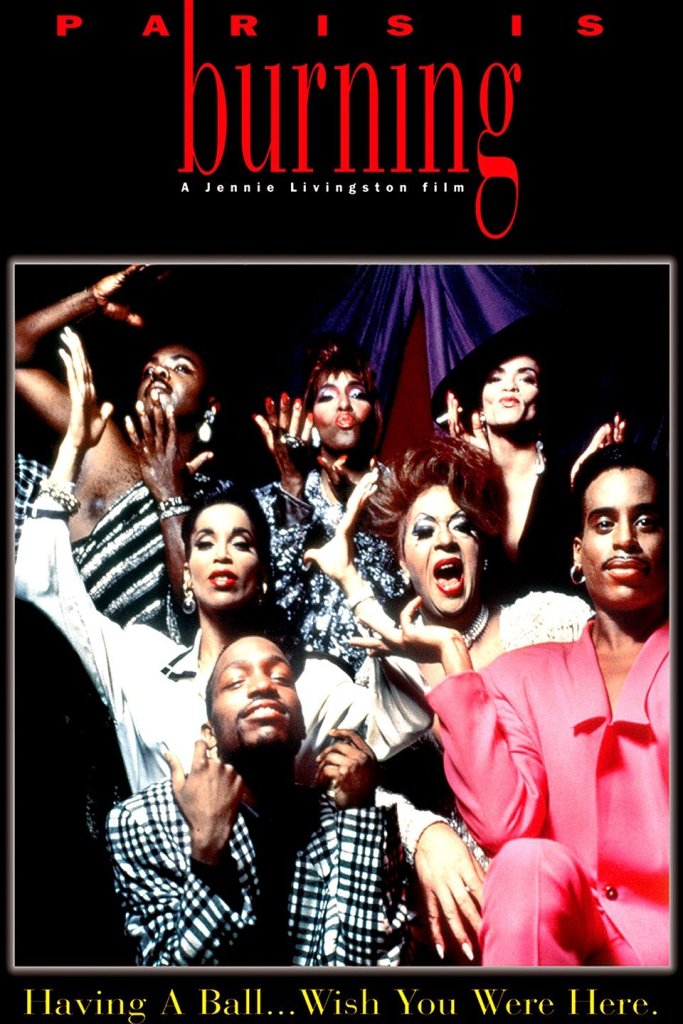
Paris is Burning is a highly praised, but also highly controversial, documentary that looks into the life of drag queens and “balls” in 1980’s New York City. It is directed by Jennie Livingston, a white, lesbian American director. When I first watched it, I was amazed by the culture; I had never seen anything like it. As a white woman myself, however, I didn’t realize the extent that white, dominant culture influenced this subculture, or at least seemed to; while I was somewhat surprised by the hetero-normative categories in the ball competitions, I didn’t take it with a further meaning, or see the consequences of this, until I read the following articles. In “Is Paris Burning?”, Bell Hooks discusses the problems with race as well as hidden issues of class and sexuality from authorship within the documentary. Ryan Caldwell’s article “Gender Queer Productions and the Bridge of Cultural Legtimacy: ‘Realness and ‘Identity’ in Paris is Burning,” discusses “if drag performances are appropriations or subversions of socially constructed gender identity categories” (Caldwell 78). Although I learned much about drag and ball culture from this documentary, I find myself agreeing with Hooks and Caldwell and their criticisms.
Hooks delves into the criticisms of how white culture, specifically white womanhood, was praised and fixated on by the drag culture, or at least portrayed to seem that way. Hooks says that
“Within the world of the black gay drag ball culture she (Livingston) depicts, the idea of womaness and feminity is totally personified by whiteness. What viewers witness is not black men longing to impersonate or even become like ‘real’ black women but their obsession with an idealized and fetishized vision of femininity that is white.”
(Hooks 148)
This is seen within the film not only through the categories of ball, such as schoolgirl, but also through the wishes and praises of the performers themselves. For example, Octavia St Laurent, a black transgender woman, has posters of mostly white women models are hung on the wall in her room. She points to one of the white models and says “This is my idol – Paulina. Someday I hope to be up there with her. If that could be me, I would be the happiest person in the world, just knowing that I can compare to Paulina” (44:45-45). The fact that Octavia’s idol was a white model showed how much white womanhood was praised and sought after.
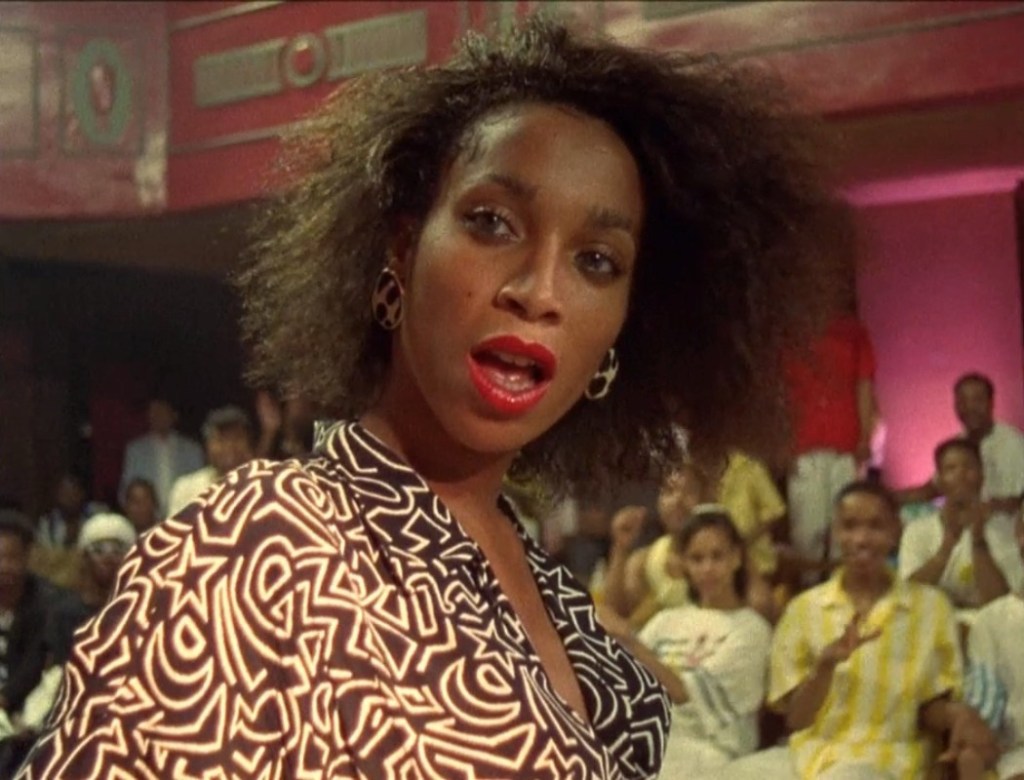
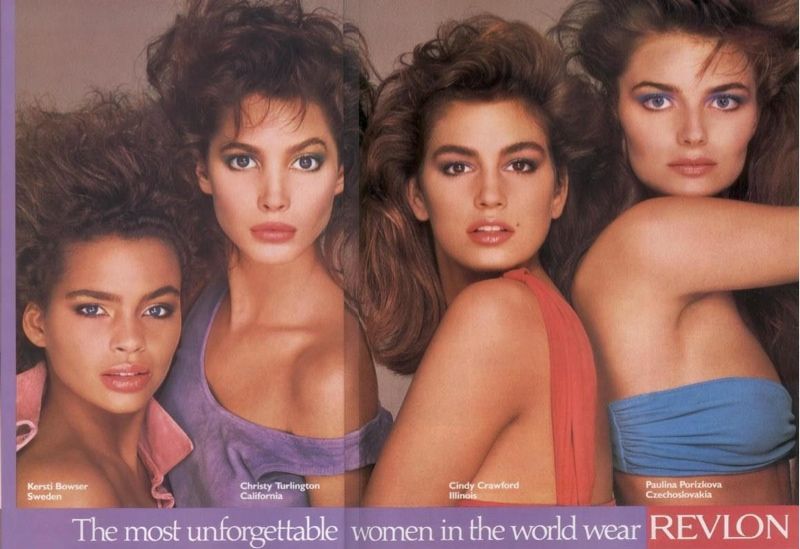
Dorian Carey also comments on this in the film, saying that
“When I grew up, you wanted to look like Marlene Dietrich, Bettie Grable. Fortunately, I didn’t know that I really wanted to look like Lena Horne. When I grew up, of course, black stars were stigmatized. No one wanted to look like Lena Horne. Everybody wanted to look like Marilyn Monroe.”
(Paris is Burning 17-17:24).
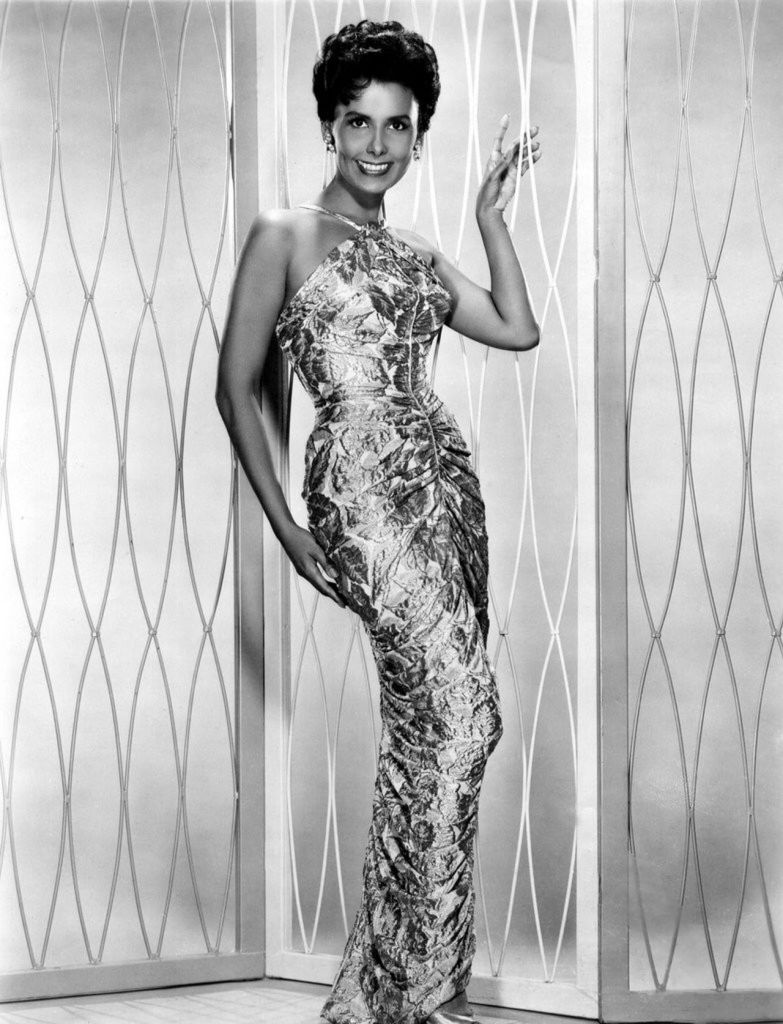
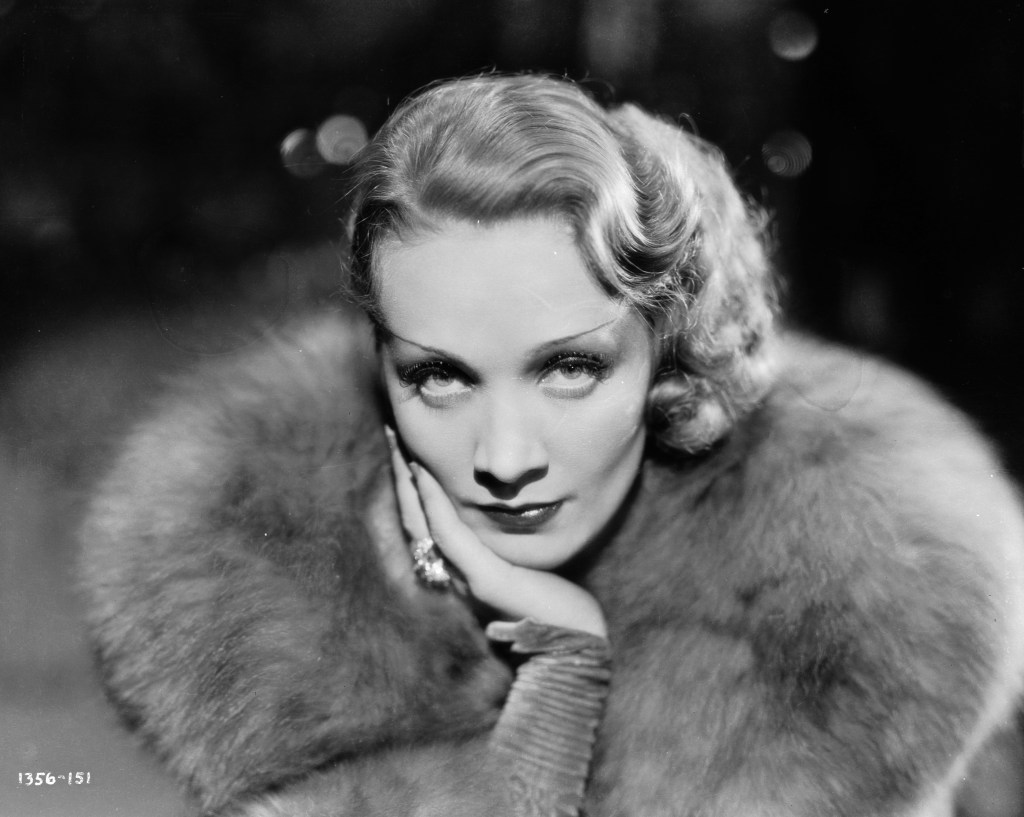
While Dorian says that this was when they grew up, viewers can see how this ideal of white femininity is still sought after in the present drag culture in the film. The more this came to light to me, the more I realized how the documentary almost became a pat on the back for white people to see that they can give someone else something to strive for, especially in the way that Livingston portrayed it. I found it problematic as to how much white femininity was sought after, and wonder if Livingston (probably) had this perspective emphasized more than it existed in reality.
As for Caldwell, a lot of the criticisms circle around how the performances were more like appropriations of socially constructed gender identity categories and not subversions, and thus heed to the patriarch’s dominant culture. In the film, “realness” is what performers strive for; they take their category and make the performance “real.” In terms of appropriation, I believe that one of the points Caldwell makes is that the categories of the balls themselves, such as schoolgirl or country or military, are based off of “dominant culture’s normalized identities” (Caldwell 79).
Now, to achieve “realness,” the performers must continue to adhere to the stereotypes and expectations of these “normalized identities” in the dominant culture; comments from the film from Dorian Corey and Pepper Labeija support this idea, as Corey says that one has to blend into this dominant culture, and Lebeija says this performance is essentially “going back into the closet” (Caldwell 79). In this sense, the performances can be seen as appropriations, or as Caldwell says, “Given these comments on ‘realness,’ it seems that what counts as ‘real’ for these ball performers is the depiction and mimicking of heterosexuality” (Caldwell 79). In fact, Dorian even says realness is
“to be able to blend…If you can passed the untrained eye, or even trained eye, and not give away the fact that you’re gay, that’s realness”
(Paris is Burning 18:20-1832).

The performances follow the social norms of gender identities and create a conforming to patriarchal social structures.
To be clear, I am still not 100% sure if Livingston happened to only mainly portray these aspects, or if they really were this prominent in drag culture, or at least if they existed. Obviously, the authorship did have a part to play in this. So, why are these criticisms important? Why shouldn’t drag culture seek after white femininity and socially constructed gender identity, or shouldn’t be portrayed that they do? Because, if we can’t be subversive, we can’t change these norms, and in turn add power to them; we will have to continue to fit into these constructs and ideals to be recognized. If Livingston really did make these ideals in drag culture more exaggerated than in reality, then she unfortunately adhered to this.
 Fiona's Film Blog